
ART STYLE
Turn Photos into Renaissance Portraits — Da Vinci’s Light and Shadow
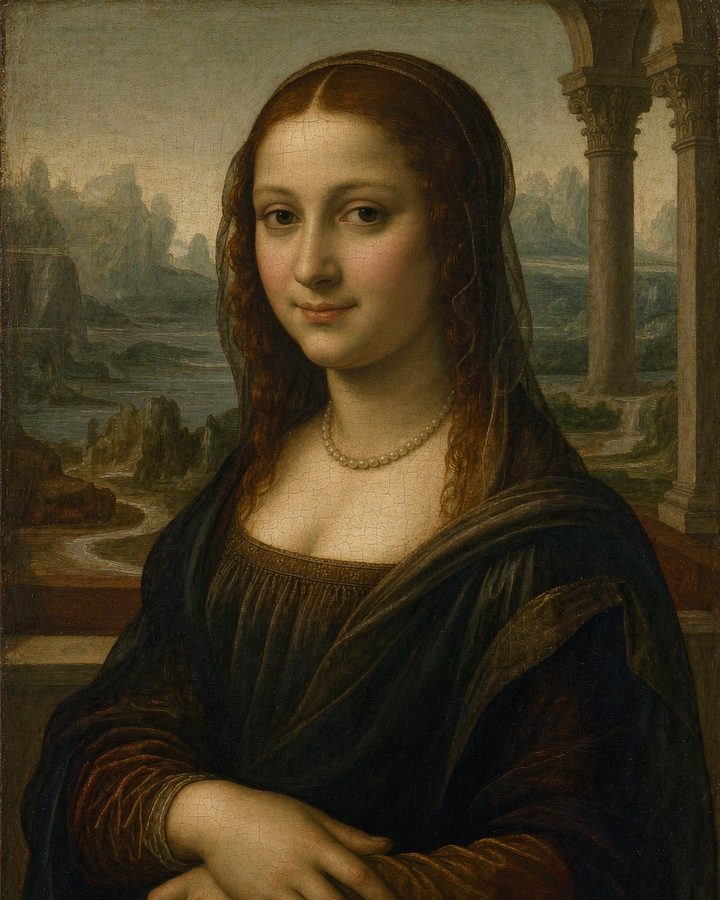
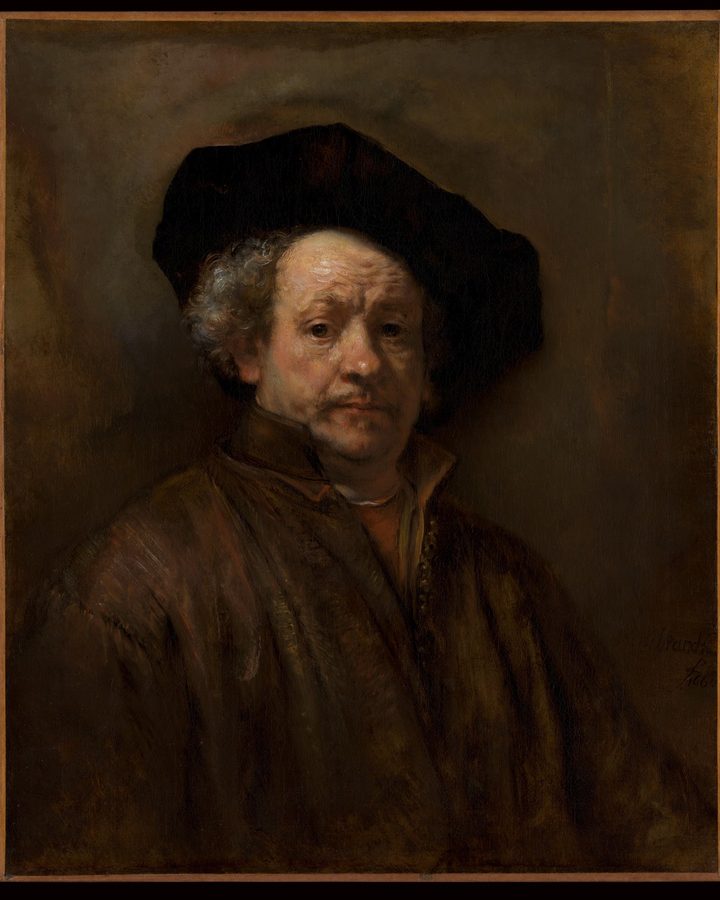
The Renaissance was the golden age of Western portraiture. What makes Da Vinci’s Mona Lisa unforgettable isn’t precision but the haze between light and shadow — contours soften in the dark, cheeks glow with the faintest warmth, the smile just barely there. Rembrandt does the opposite: a single focused beam lifts the sitter from an almost black background, every wrinkle gently lit. Ruhali’s Renaissance series makes both lights optional: upload an ordinary photo and you get not a filter, but a painting that looks like it truly hung in a Florentine noble’s salon.
Best Photos to Use
Half-body or front-facing shots work best, with the subject filling 60% or more of the frame. Dark hair against a light shirt reads with the clearest layering under Renaissance light; for outdoor travel photos, avoid harsh midday sun that blows out the highlights. Group photos work too, but keep it to three people or fewer so each face stays detailed.
How It Differs from Other Styles
Next to the drama of Baroque or the bright ease of Impressionism, the Renaissance feels restrained, quiet, distant — the sitter’s gaze holds a polite remove. Rembrandt’s dark ground locks attention onto the face; it carries real commemorative weight and suits a study or entryway without feeling out of place.
EXAMPLES
Style Examples
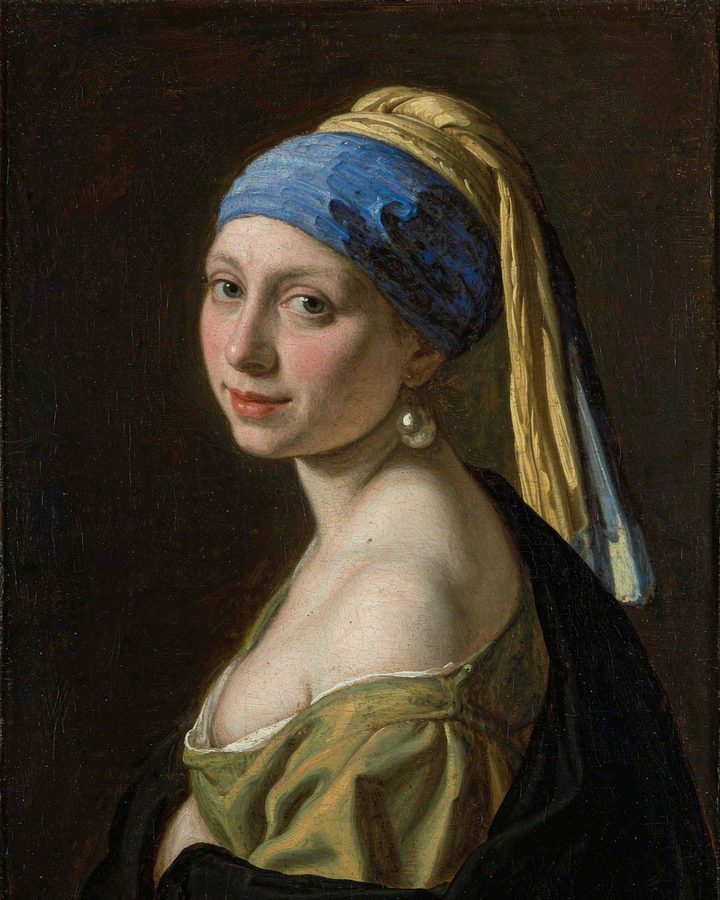
The example images below are AI-generated results for each style. Your actual artwork depends on your own photo.
Ruhali
Frequently Asked Questions
What occasions suit a Renaissance portrait as a gift?
Anniversaries, birthdays, graduations — moments that call for “formal but not cold”. The composition is restrained and upright, so it hangs naturally in a living room or study and is easier for elders to accept than modern art.
Does the person need to face the camera?
No. Front-facing, eye-level, half-body works best; a slight turn and a gaze off-frame are equally valid — Renaissance portraits typically show the subject slightly turned, eyes drifting from the viewer.
Will a dark background make the face too dark?
No. Ruhali’s Renaissance contrast is controlled, so shadow areas keep their detail. That is Rembrandt’s “light from dark” — the core technique of the style itself.

Scan the QR code with WeChat, or search for the "Ruhali" mini-program to start your first artwork.